

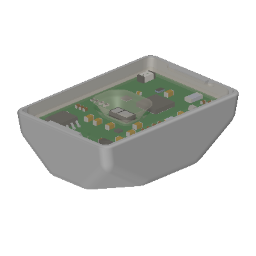
There is a need for simple, small, stand-alone non-invasive devices with sensing capabilities similar to a smartwatch, but much less costly and with a monitoring life of 24-48 hours after wake-up. Refine a small, arm-worn sensor from its existing prototype to a molded, waterproof state, with optimized attachment and packaging options.
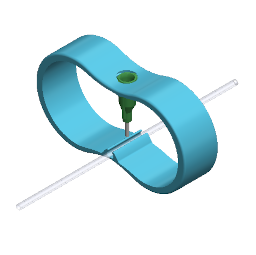
Surgeons often have a need to deliver a precise dose of medication to a very specific location. Commercially available cathethers often have a predefined size and/or pattern of fenestrations that may not align with the needs of a particular operation. Design and evaluate simpler options of catheter modification to facilitate updates by surgeon and/or staff during ongoing procedure.
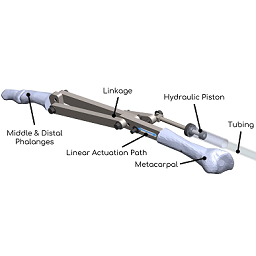
Engineer and produce a 1:1 anatomically scaled finger internal protsthesis to replace the current hydraulic driven one.

Gout is a common and painful medical condition caused by the accumulation of uric acid crystals in joints. The gold standard for diagnosis involves identifying uric acid crystals under a polarizing microscope. While effective, this method requires expensive equipment and specialized training. This project investigates whether uric acid crystals can be detected optically by exploiting their ability to be oriented with magnetic fields. If successful, this approach could form the basis of an automated diagnostic tool for gout.
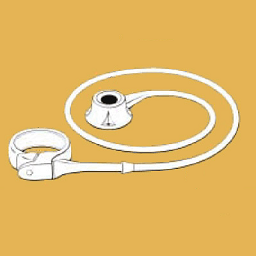
Robotic liver surgery requires intermittent clamping of the inflow vasculature, but requires frequent and disruptive repositioning of the tools and operating room personnel, and ultimately increases long-term liver damage due to extended periods of ligation. Create a disposable, low-profile, device that can be deployed through an abdominal trocar and controlled remotely.

An observational study that asks participants to report on their mood, motivation, and symptom burden while they are wearing a physical activity monitor
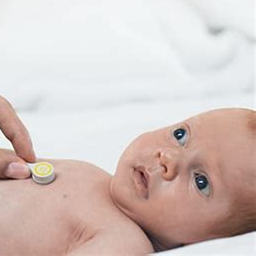
Postoperative surveillance after pediatric thyroidectomy entails frequent and serial venipuncture for monitoring of hypocalcemia. Create a sensor to obtain hypocalcemia reading transcutaneously to reduce the need for frequent and repeated venipuncture.
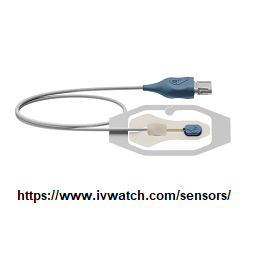
In the emergency setting, pulse oximetry provides necessary information about patient hemodynamics. In both the trauma and burn settings, existing injuries, decreased circulation and other factors make these readings notably unreliable, and they often become unobtainable in the midst of active resuscitations and sedations. A durable, inexpensive but more reliable solution to provide hemoglobin saturations would be a welcome technology to every trauma bay and burn center in practice.